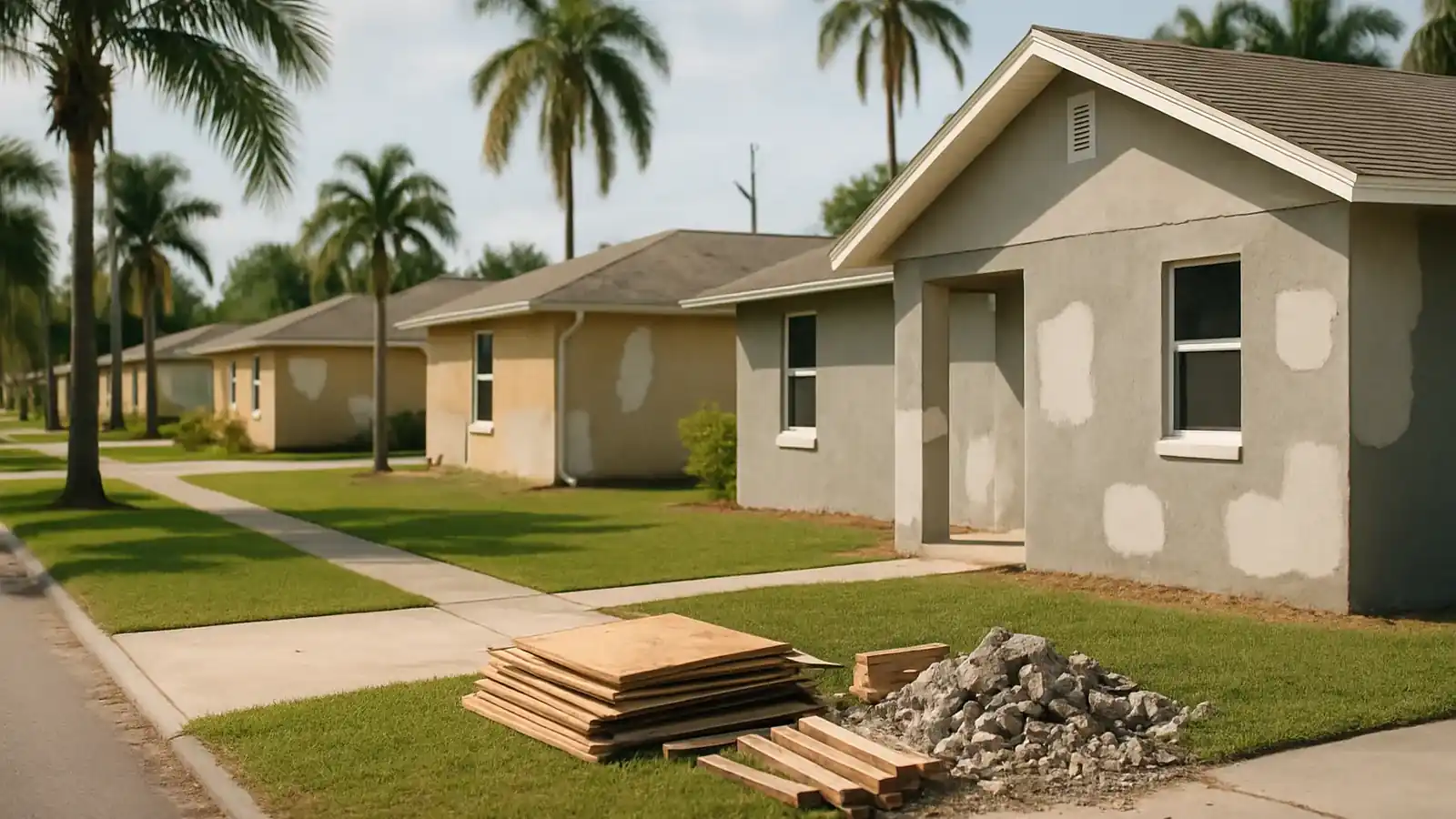
Most Sanibel mold work lands between $500 and $6,000, set by how far growth spread and whether assemblies must be opened. Roughly 54 inches of annual rain and a humid June-to-September wet season keep indoor moisture high unless equipment removes it. Many local specialists don't charge for the inspection; ask when they call.
Elevation solves flooding and creates humidity
Sanibel took catastrophic damage when Hurricane Ian came ashore in September 2022, and the rebuilding that followed brought a great deal of elevated construction: living space raised above the flood elevation, with the ground level left as parking, storage, or open space.
That is the correct way to build here and it introduces a specific moisture condition worth understanding. Ground-level enclosures below the flood elevation are, by design, unconditioned. They are meant to flood and drain, which is why they have flood vents rather than sealed walls. In this climate an unconditioned enclosed space holds high humidity essentially year-round.
The problem arrives when those spaces get finished out: drywall, cabinetry, storage of soft goods, sometimes a window unit. Now there's porous material sitting in permanently humid air, frequently sharing a floor assembly with the conditioned space above it. That's a genuine mold condition, and it's created by finishing a space that was designed not to be finished.
Rebuilt walls and the drying question
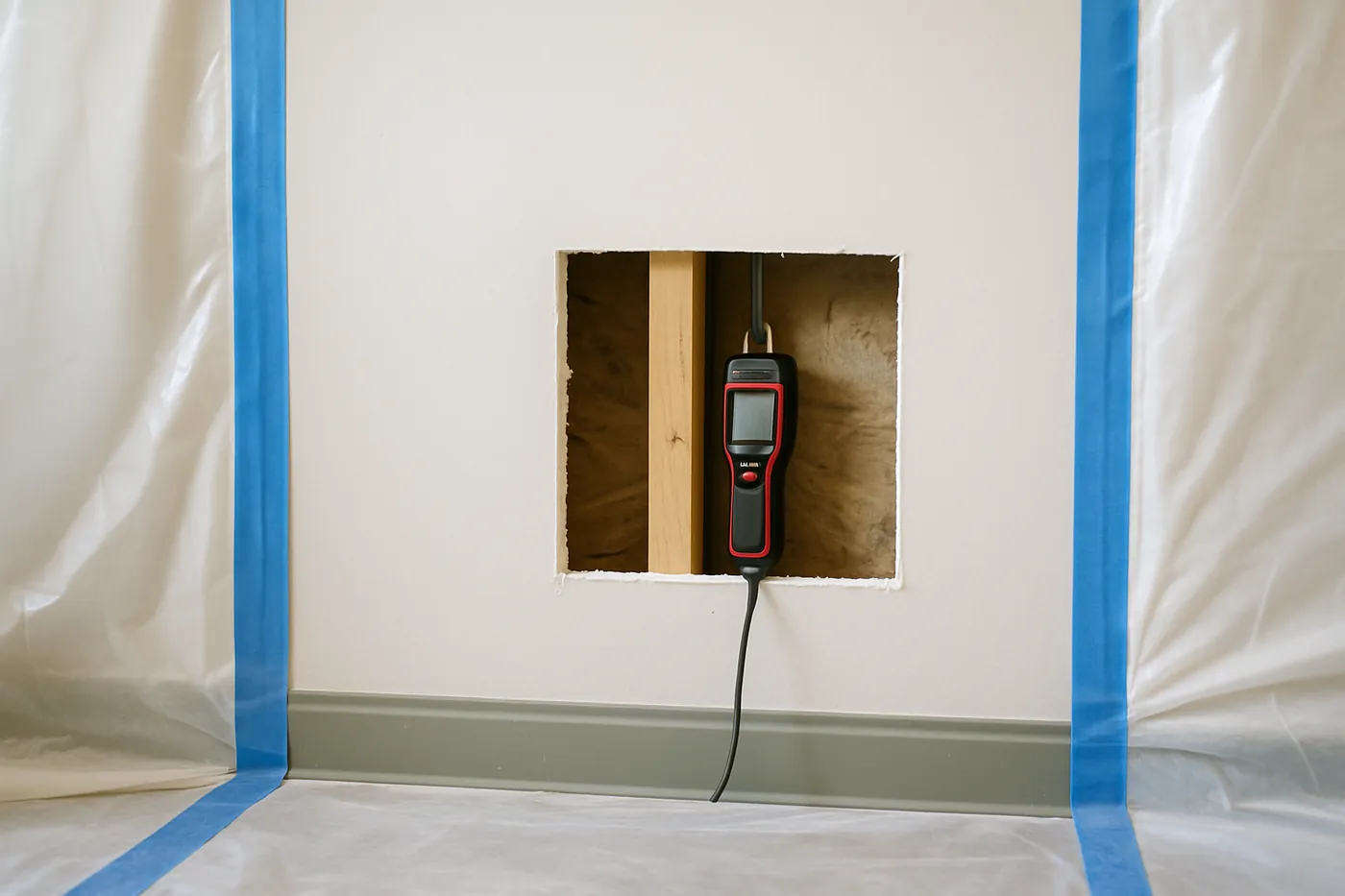
Reconstruction here ran at scale under real time pressure. Where framing was closed over before it reached a measured dry standard, the moisture was sealed in, and it surfaces later as odor in a room that looks perfect. A good inspection reads rebuilt assemblies specifically, with meters and thermal imaging, so any opening is targeted rather than exploratory.
Island logistics and seasonal vacancy
Add the two conditions every island property carries: salt air degrading AC coils faster than inland equipment, and heavy seasonal occupancy leaving homes closed through the wet season. Leave the system running rather than off while you're away, hold indoor humidity under about 60 percent, and have someone check the property mid-summer. On an island, a problem found in July is a very different problem than one found in November.
Asked in Sanibel
Our ground-level enclosure smells musty. Is that normal?
It's expected, and it's why those spaces are designed unconditioned. Below-flood-elevation enclosures have flood vents rather than sealed walls, so they hold high humidity year-round in this climate. The problem isn't the humidity. It's putting porous material into it. Keep drywall, upholstery, cardboard, and carpet out.
Our house was rebuilt. Could mold be inside the new walls?
It's the first thing to check on rebuilt homes. Structural drying is a metered process, and reconstruction at this scale and speed sometimes closed walls over framing that hadn't reached a dry standard. Meters and thermal imaging locate it so any opening is targeted rather than exploratory.
Does island salt air really affect mold risk?
By an indirect route that matters. Salt corrodes AC coils and condenser fins, degrading heat transfer, which reduces how much moisture the system removes even while it still cools. Homeowners notice the cooling first, but humidity is what grows something. Equipment condition is worth checking on every island property.
Is Sanibel in the service area?
Yes. Sanibel is part of our standard service area, and island requests go to one independent local specialist, as mainland ones do. Ask for any travel charge to be stated openly in the scope if it applies at all, not buried in the line items.
What happens after you call
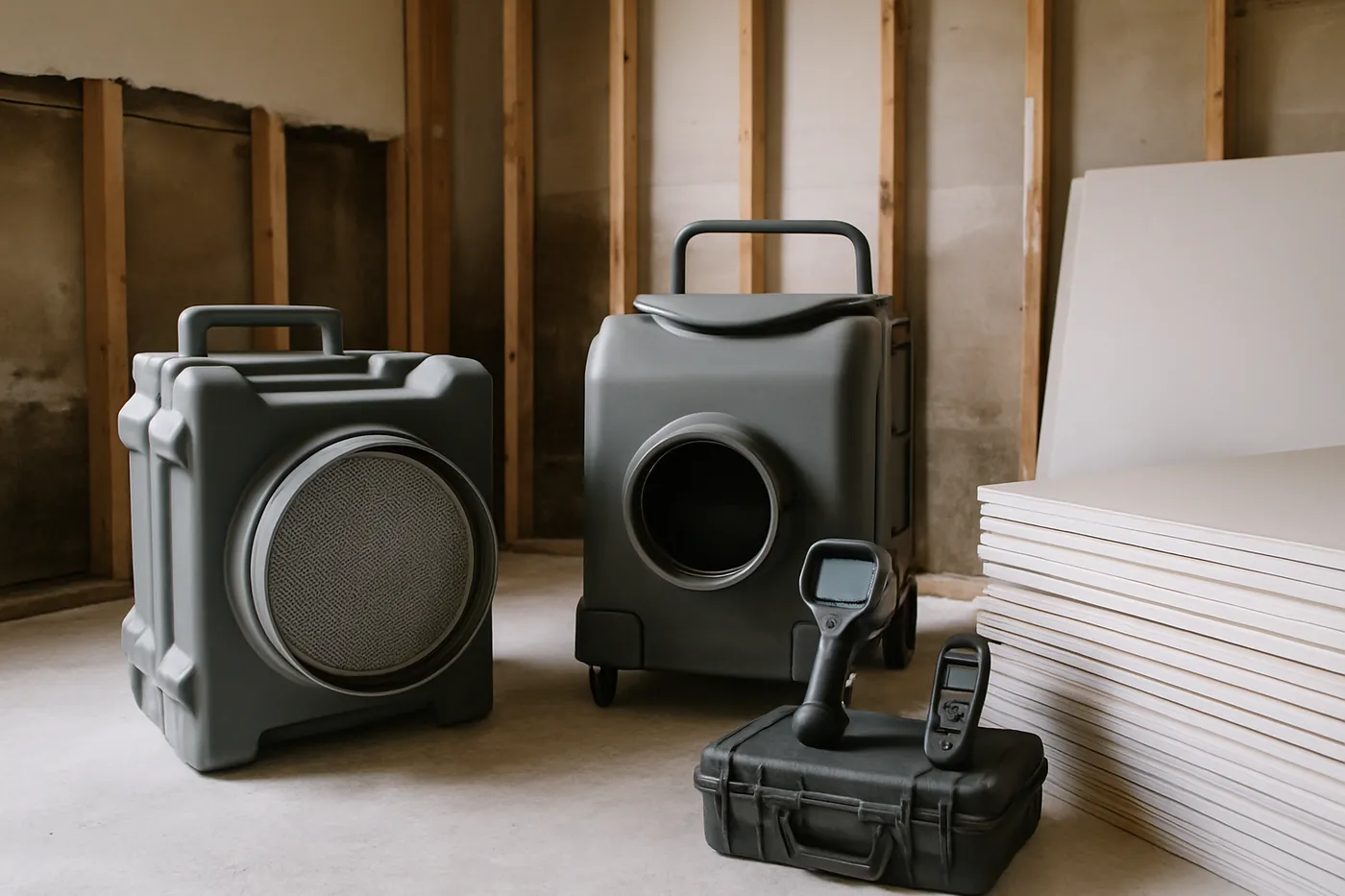
The specialist who calls you back should measure before pricing: moisture readings by location, indoor humidity, any rebuilt assemblies, the air handler and drain line, and exterior intrusion points. Ask for a written, itemized scope, and expect an honest "you need a dehumidifier, not remediation" when that's what the numbers say. See the cost guide or the full service list.
Get a Fort Myers mold inspection
Tell us what you’re seeing or smelling: a musty room, staining on a wall base, discoloration in the AC closet, humidity that never drops, and we’ll pass it to one independent local specialist who works in Fort Myers. That specialist will call you back about an inspection.