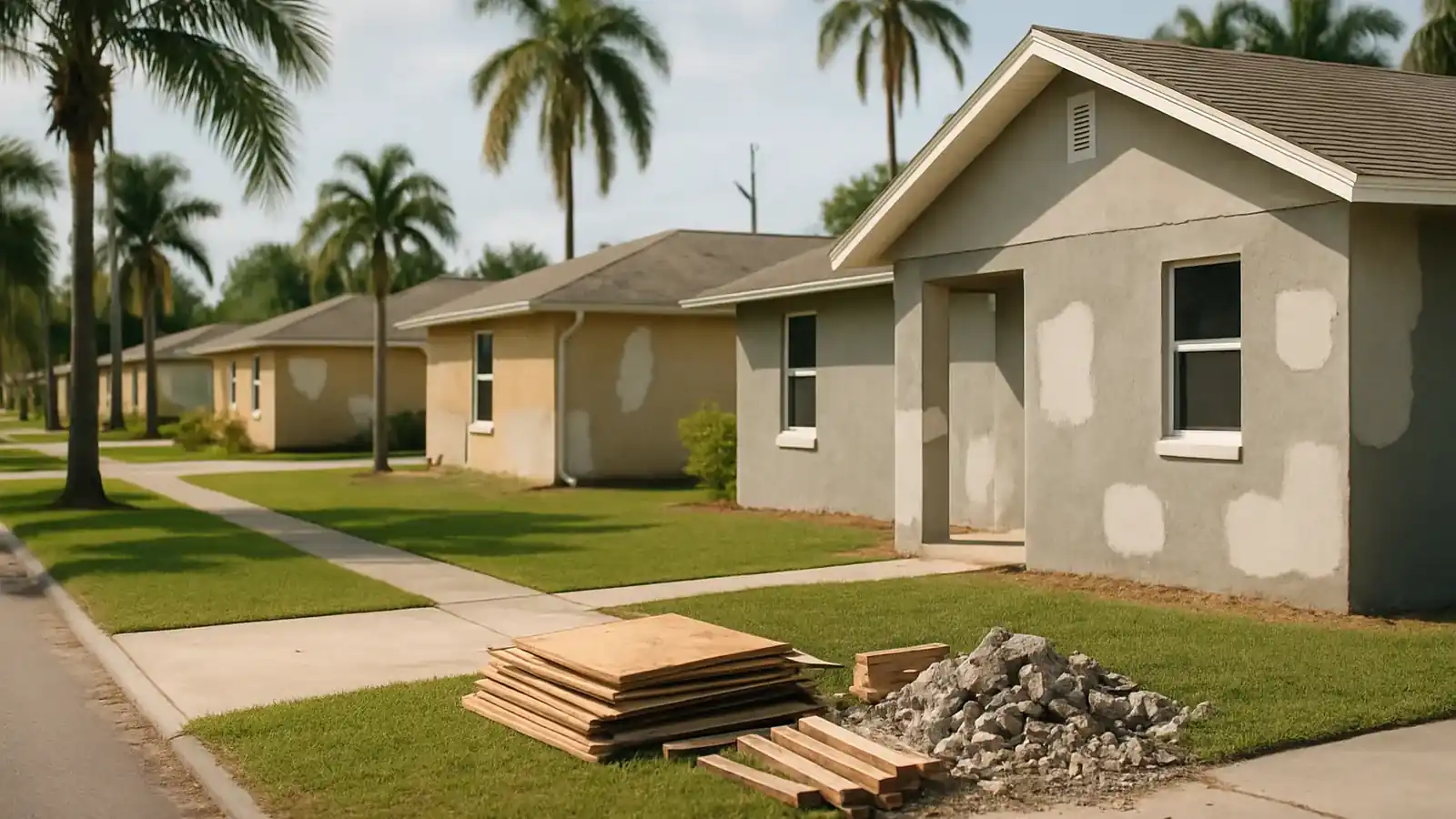
Mold inspection in Fort Myers is often free; ask when the specialist calls. A good one includes moisture readings, humidity measurement, thermal imaging, and photographs. Laboratory testing runs $300–$900 when warranted, and per EPA guidance, visible mold with a known water source generally doesn't need testing first.
Here's what gets measured, and when a test is genuinely worth paying for.
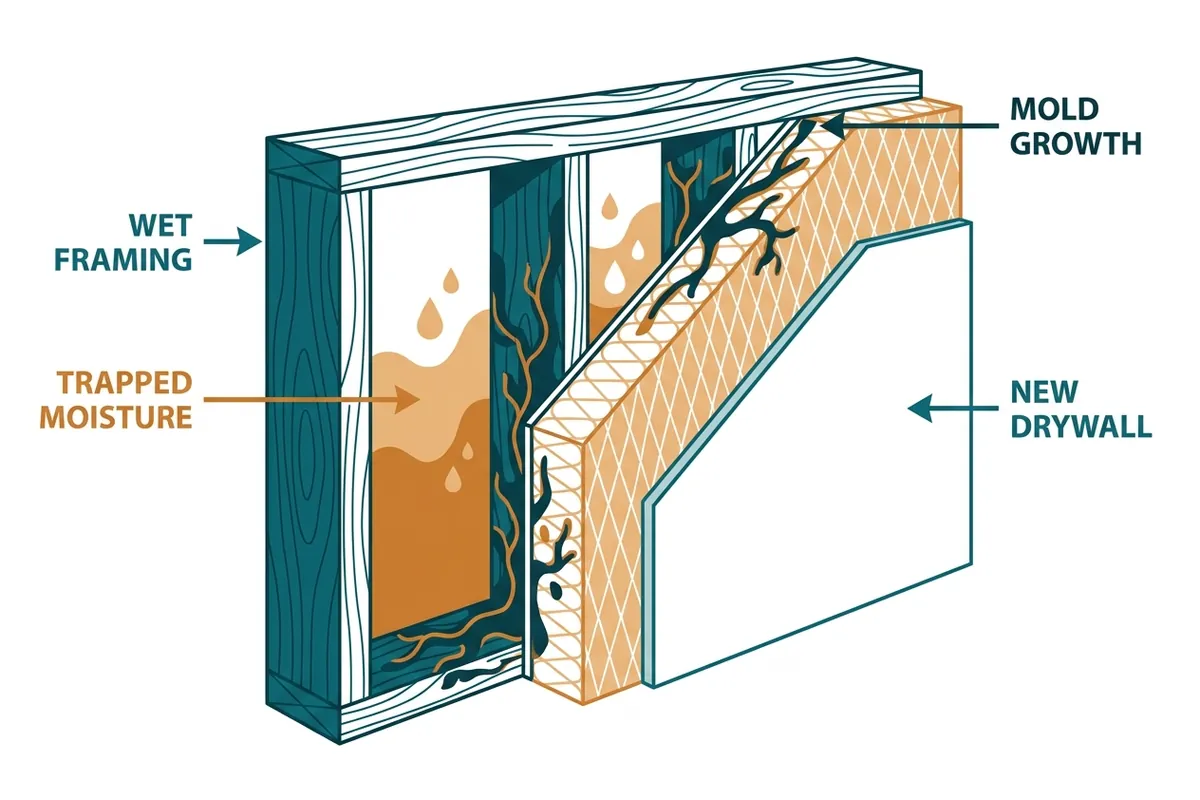
Finding moisture behind new work
The hardest inspections in this market are the ones where everything looks finished. A repaired room with fresh paint and new baseboard, and a smell that says otherwise. Opening it on suspicion is expensive and destructive; ignoring it lets the growth continue. So the tools matter:
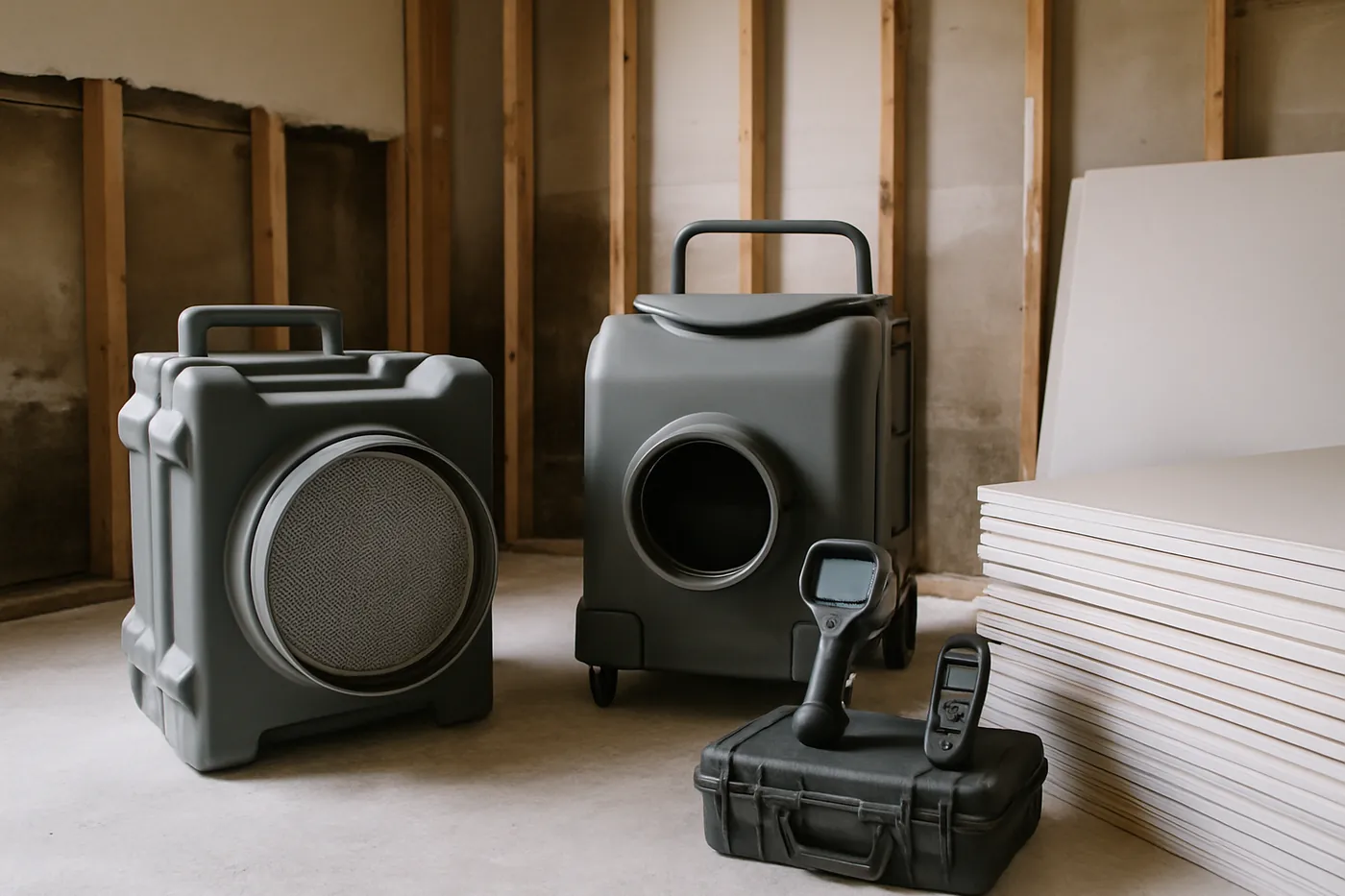
- Non-invasive moisture meters read through finishes to flag elevated readings where none belong
- Thermal imaging shows the temperature signature wet material creates behind a surface
- Pin meters confirm a suspect reading with a direct measurement
- A borescope inspects the cavity through a hole the size of a pencil
- Humidity logging distinguishes an ambient problem from a localized one
Together those turn "we may need to open the wall" into "we need to open eighteen inches here, and here's the reading that says so." That's the difference between a targeted repair and a gutted room.
What a full inspection covers
Moisture readings by named location, indoor temperature and relative humidity, the air handler and its drain line, attic sheathing and bath fan terminations, and an exterior walk for intrusion points: window and door flashing, wall penetrations, grading at the slab edge. On any home with post-storm reconstruction, rebuilt assemblies get read specifically rather than as part of a general sweep.
When testing is worth it, and when it isn't
The version that costs a contractor money to say: if you can see mold and know where the water came from, a lab result usually doesn't change what happens next. The remediation is identical regardless of the species named. EPA guidance takes that position, and a company insisting on testing every visible patch is billing for reassurance rather than information.
Four situations justify it. Odor with no locatable source after meters have been run. A health question where someone wants documentation. A transaction, claim, or dispute requiring a record: common here where reconstruction quality is at issue. And post-remediation verification, confirming the work succeeded, which is the one case where testing is unambiguously worth its price.
Florida keeps assessment and remediation separate
The state licenses mold assessors and mold remediators through DBPR as distinct credentials and restricts one party from performing both on a single project. The reasoning is straightforward: a firm that writes the protocol and also executes it has an incentive to write a bigger protocol.
Practically, that means when your situation involves a dispute over reconstruction work, an insurance claim, or a sale, an independent assessment carries more weight than a remediator's own findings, so it is worth getting one. It also means you should verify the license of anyone you hire, including the specialist who calls you back, before signing.
Which finding tells you what?
Fort Myers inspections carry an extra question since the rebuild years: not just is there growth, but was the reconstruction dry when it closed.
| Situation | What it means | How it reads locally |
|---|---|---|
| Visible growth found | That alone justifies action: sampling becomes optional | On visible growth, EPA guidance says act: the money belongs in removal, not swabs |
| Moisture found, no growth yet | The cause caught early. Fix water, skip demolition | Elevated readings at new drywall's base are the post-rebuild early warning |
| Air counts elevated | A lead worth following, not a diagnosis on its own | Wet-season baselines run high outdoors: interpretation matters more here |
| Nothing found, smell persists | Cavity or equipment inspection is the honest next step | Behind-the-rebuild inspection is the honest step when the smell has no visible source |
The best-value inspection in this county is moisture-first: find the water path, and the growth question usually answers itself.
Inspection questions, straight answers
Can moisture behind new drywall be found without cutting it?
Usually, yes. Non-invasive moisture meters read through finishes, thermal imaging shows the temperature differences wet material creates, and a borescope inspects a cavity through a hole the size of a pencil. Those tools narrow the search enough that any opening is targeted. One small cut instead of an exploratory wall.
Do I actually need a lab test?
Often not. EPA guidance says visible mold with a known water source generally doesn't require testing, since the remediation is the same regardless of species. Testing earns its cost for odor with no locatable source, a health question needing documentation, a sale or claim requiring a record, or verifying a finished job.
What does an inspection cost?
Visual inspections with moisture readings and thermal imaging are often free; ask when the specialist calls. Laboratory testing, where genuinely warranted, typically runs $300 to $900 depending on sample count and whether air sampling is included. Ask before anything is ordered whether a test will change the plan or just add a line.
What's the difference between an assessor and a remediator in Florida?
Two separate state licenses with separate jobs. An assessor investigates and writes a protocol; a remediator performs the cleanup. Florida restricts the same party from doing both on one project, so the firm defining the scope isn't the firm paid by its size. For disputes and claims, an independent assessment carries more weight.
What should a real inspection report contain?
Moisture readings at specific named locations, indoor temperature and relative humidity, photographs, thermal images where used, an identified moisture source, and a scope tied to those findings. A report that states a price without naming where the water came from is a quote, not a diagnosis.
Get a Fort Myers mold inspection
Tell us what you’re seeing or smelling: a musty room, staining on a wall base, discoloration in the AC closet, humidity that never drops, and we’ll pass it to one independent local specialist who works in Fort Myers. That specialist will call you back about an inspection.